Diphenhydramine: What It Is, How It Works, and What You Need to Know
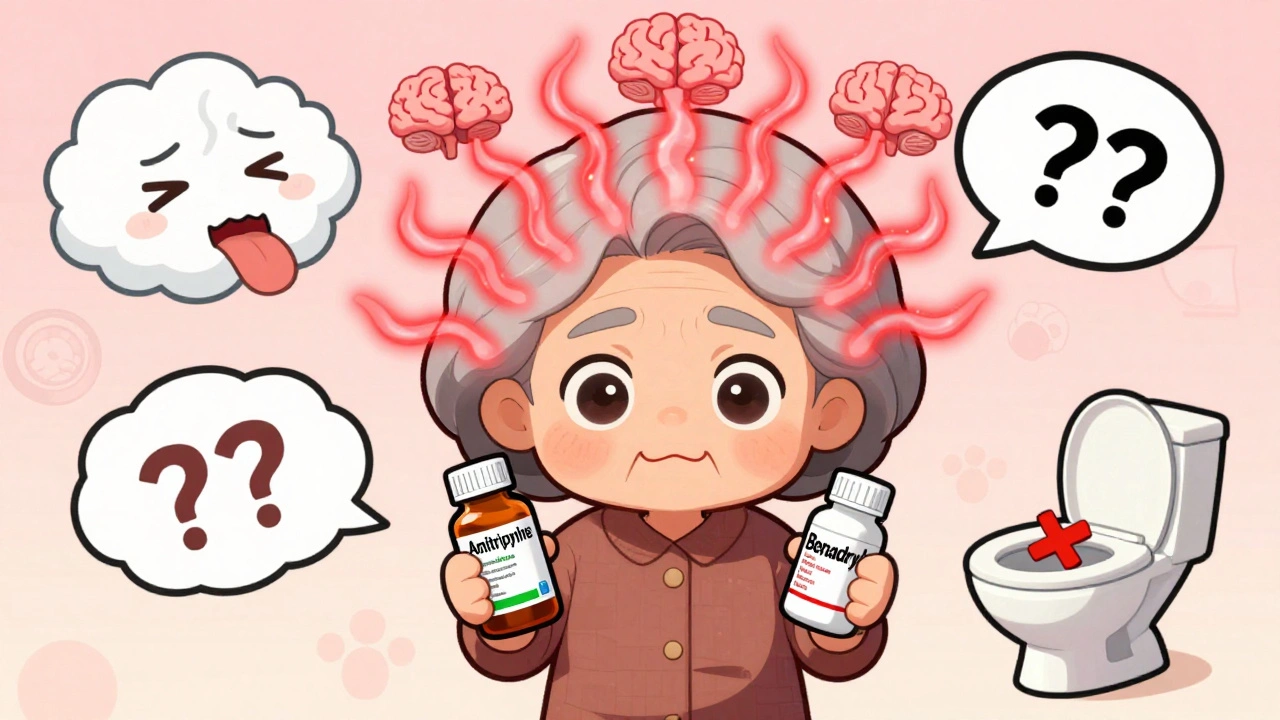
When you reach for that old bottle of diphenhydramine, a first-generation antihistamine used to treat allergies, insomnia, and cold symptoms. Also known as Benadryl, it’s one of the most widely used over-the-counter drugs in the UK—but that doesn’t mean it’s harmless. Many people take it without thinking, especially for sleep. But diphenhydramine isn’t just a sleepy pill. It blocks histamine in your brain and body, which is why it helps with runny noses and itchy skin. But that same brain effect is what makes you drowsy, dizzy, or even confused—especially if you’re over 65.
It’s not just about sleep. Diphenhydramine shows up in dozens of cold and flu products, often hidden under names like "Nighttime Cold Relief" or "Allergy & Sleep." That’s a problem if you’re already taking another sedative, like a painkiller or anxiety med. Combine it with opioids, benzodiazepines, or even alcohol, and you risk serious central nervous system depression, a dangerous slowdown in breathing and brain function. One study found that older adults using diphenhydramine regularly had a 50% higher chance of falling. And it doesn’t just affect balance—it can mess with memory, make you feel foggy, and even worsen urinary issues in men.
Here’s the thing: diphenhydramine doesn’t fix the root cause of your allergies or insomnia. It just masks the symptoms, often with side effects that last longer than the relief. If you’re using it every night, you’re training your body to need it. And over time, it stops working as well. There are better, safer options for sleep—like melatonin or cognitive behavioral therapy for insomnia. For allergies, second-gen antihistamines like loratadine or cetirizine don’t cross into your brain the same way, so they don’t leave you groggy.
Pharmacists see this all the time. People come in asking why they feel awful after taking "just one" diphenhydramine. Others are shocked to learn it’s in their nighttime cough syrup. And some don’t realize it’s still active in their system the next day—making driving or operating machinery risky. The real danger isn’t the pill itself. It’s how casually it’s used, how often it’s mixed with other meds, and how little people know about what’s really inside.
Below, you’ll find real-world insights from pharmacists and patients about how diphenhydramine fits into daily life—and when it’s better to walk away. You’ll see how it connects to broader issues like drug interactions, aging, and over-the-counter safety. No fluff. Just what matters: how to use it wisely, when to avoid it, and what to do instead.