Safe Self-Care: Practical Ways to Manage Health Without Risk
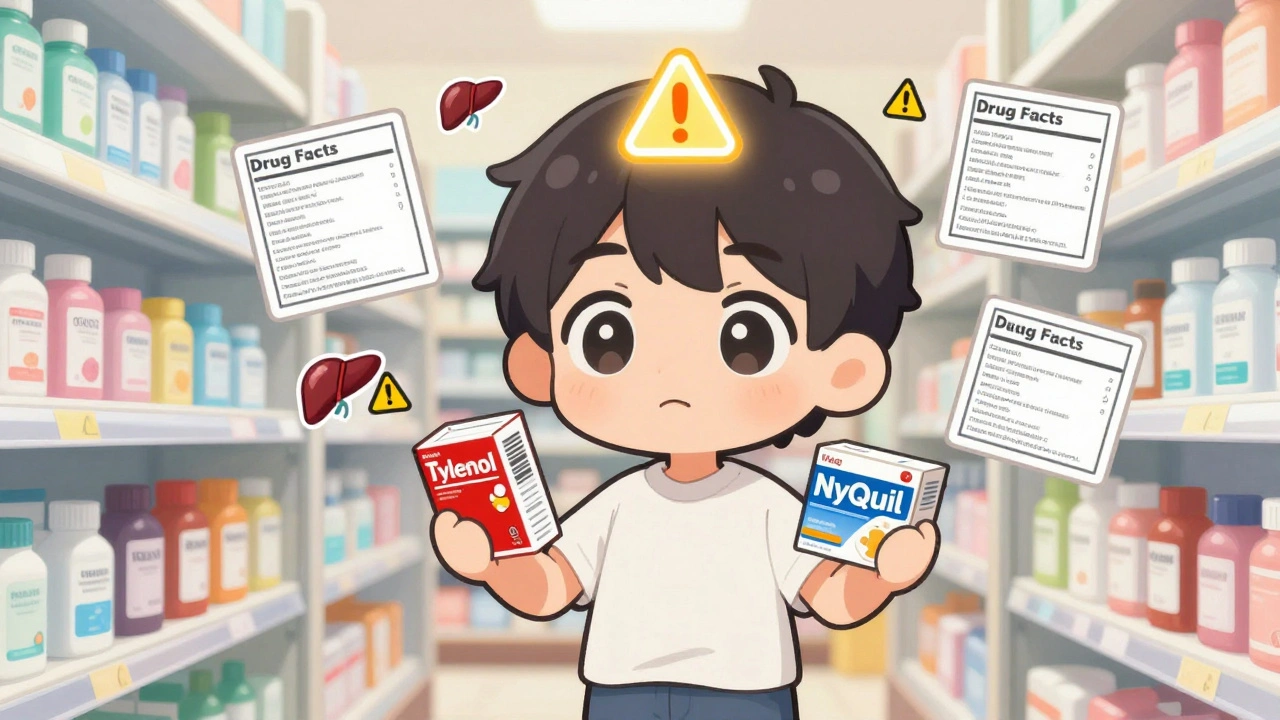
When you practice safe self-care, taking control of your health without putting yourself in danger. Also known as responsible self-management, it means knowing what you can do at home—and what needs a doctor’s input. Too many people think self-care is just popping pills when they feel off. But safe self-care is the opposite: it’s about asking questions, checking labels, and avoiding hidden risks that seem harmless until it’s too late.
It starts with understanding how common meds interact. Mixing tricyclic antidepressants, medications like amitriptyline used for depression and nerve pain with antihistamines, common in sleep aids and cold medicines like Benadryl can cause anticholinergic overload—leading to confusion, memory loss, or even delirium in older adults. Same goes for yohimbe, an herbal supplement often marketed for energy or weight loss—it can spike blood pressure dangerously if you’re on heart meds. These aren’t rare cases. They’re predictable mistakes made by people trying to feel better.
Safe self-care also means knowing what’s in your medicine cabinet. OTC cold medicines, products like dextromethorphan or pseudoephedrine found in cough syrups and decongestants offer little help for kids under six but carry real risks of overdose. Even something as simple as grapefruit juice, a healthy drink that interferes with how your body processes dozens of common drugs can turn a safe dose into a toxic one. And if you’re taking steroids, tapering off too fast isn’t just uncomfortable—it can trigger adrenal crisis. Safe self-care means learning the rules before you play.
It’s not about avoiding self-care—it’s about doing it right. You can manage minor pain, track symptoms, adjust habits, and use reliable resources like DailyMed or LactMed to check drug safety. But you can’t guess your way through drug interactions, hormonal changes, or withdrawal symptoms. The posts below give you real examples: how to verify a child’s dose, why generic drugs aren’t always interchangeable, how to spot early heart attack signs, and what to avoid when you’re trying to feel better on your own. These aren’t theoretical warnings. They’re lessons learned from mistakes people made—and how to avoid them.