Amitriptyline: What It Is, How It Works, and What You Need to Know
When doctors prescribe amitriptyline, a tricyclic antidepressant originally developed in the 1960s to treat depression. Also known as Elavil, it’s one of the most commonly used medications for chronic pain and sleep problems—not just mood disorders. Many people assume it’s only for depression, but it’s often chosen because it helps with nerve pain, migraines, and insomnia, especially when other treatments don’t work.
It works by balancing chemicals in the brain, like serotonin and norepinephrine, but its pain-relieving effects come from how it affects nerve signals. That’s why it’s used for conditions like diabetic neuropathy, fibromyalgia, and post-shingles pain. Unlike painkillers, it doesn’t mask pain right away—it takes weeks to build up in your system. People often stop too early because they don’t feel immediate results, but the real benefit shows up after 4 to 6 weeks. It’s also used off-label for bedwetting in children and anxiety, though that’s less common today.
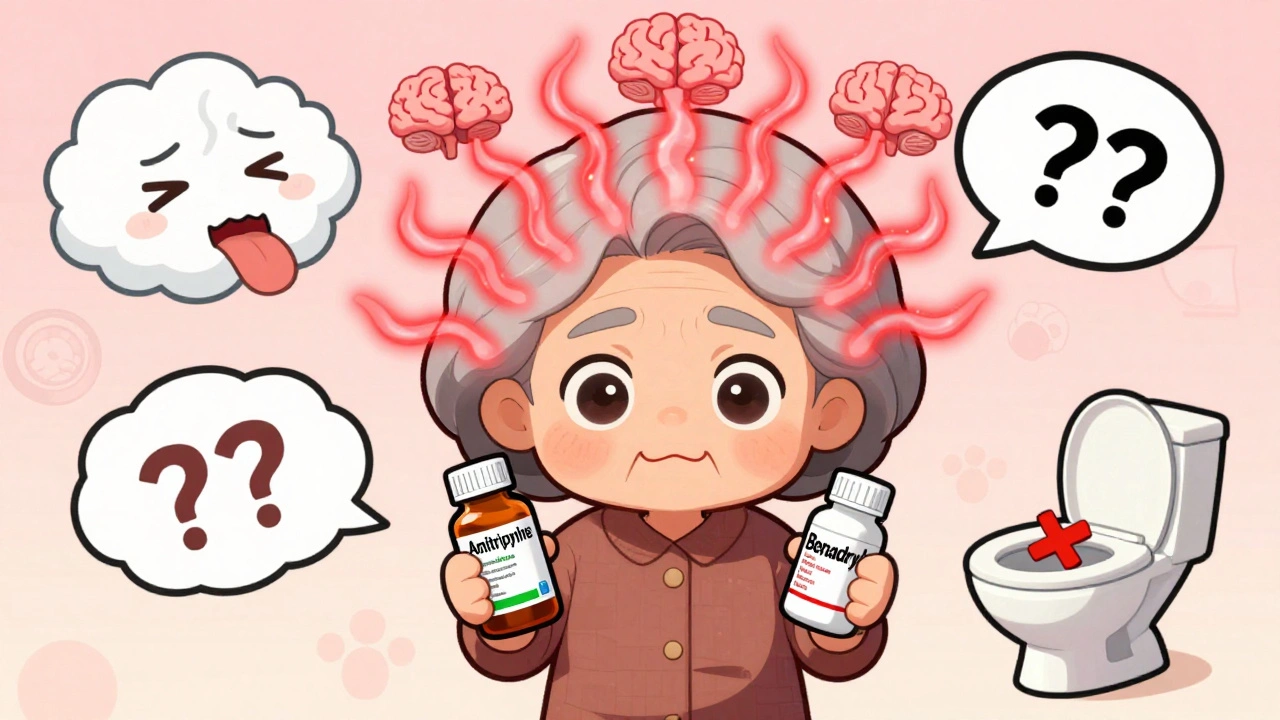
Side effects are where most people get nervous. Dry mouth, drowsiness, weight gain, and constipation are frequent. Some feel dizzy when standing up quickly—this is called orthostatic hypotension. It’s not dangerous for most, but it’s why doctors start with low doses and go slow. If you’re over 65 or have heart issues, your doctor will monitor you closer. You shouldn’t mix it with alcohol, certain pain meds, or SSRIs without supervision. Stopping suddenly can cause headaches, nausea, or even mood crashes, so tapering off under a doctor’s care is key.
It’s not a first-line treatment anymore, but it’s still a go-to when newer drugs fail. It’s cheap, well-studied, and works for people who don’t respond to SSRIs. The fact that it shows up in so many of the posts here—about tapering, drug interactions, and side effects—means it’s a medication people rely on, but also one that’s easy to misuse if you don’t understand how it works. Below, you’ll find real-world advice from people who’ve used it, doctors who’ve prescribed it, and studies that show how it fits into modern treatment plans.