Plantar Fasciopathy: Causes, Risks, and What Works
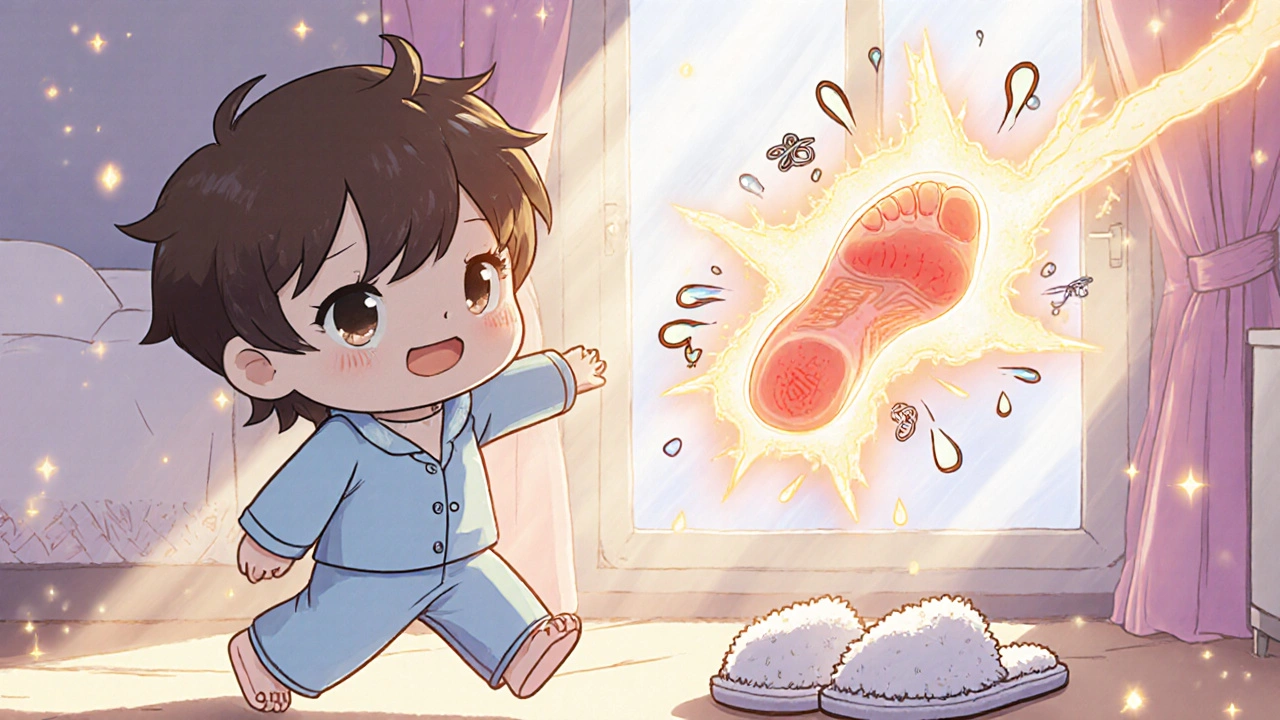
When your heel hurts first thing in the morning, it’s often not just soreness—it’s plantar fasciopathy, a degenerative condition affecting the thick band of tissue running along the bottom of your foot. Also known as plantar fasciitis, this isn’t just inflammation—it’s tissue breakdown from repeated strain, and it’s one of the most common reasons people see foot specialists. Unlike sudden injuries, plantar fasciopathy builds slowly. You might notice it after starting a new job that requires standing all day, switching to flat shoes, or increasing your walking or running mileage. It doesn’t always show up on X-rays, but the pain is real—and it can last for months if ignored.
This condition doesn’t happen in isolation. It’s closely tied to foot arch support, how well your foot absorbs impact during movement. People with flat feet or high arches are more likely to develop it, but even those with "normal" arches can get it if their shoes don’t fit right or if they’re overweight. corticosteroid injection, a treatment sometimes used to reduce pain and inflammation can help in the short term, but studies show it doesn’t fix the underlying issue. In fact, repeated injections may weaken the tissue further. The real fix? Gradual loading, proper footwear, and strengthening the muscles that support the foot—not just padding the pain.
What you’ll find below isn’t a list of quick fixes. These are real, evidence-based posts that dig into what actually works—and what doesn’t. You’ll read about how plantar fasciopathy connects to steroid use and tendon health, how medication side effects can indirectly worsen foot pain, and what practical steps people have taken to recover without surgery. Some posts talk about how common drugs like prednisone or fluoroquinolones affect connective tissue. Others show how simple changes in daily movement or footwear make a difference. There’s no magic cure here, but there’s plenty of clear, no-nonsense advice from people who’ve been there.