Adverse Drug Reaction Reporting: What You Need to Know and How It Saves Lives
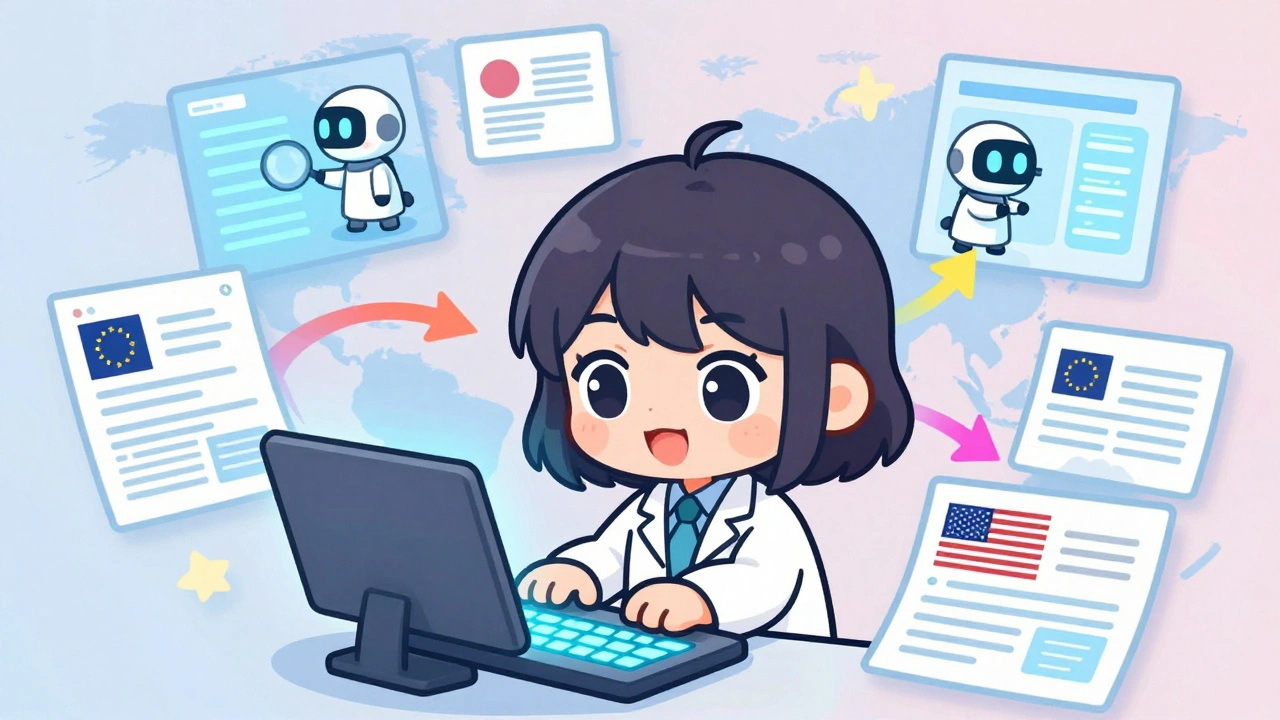
When a medicine causes harm instead of helping, that’s an adverse drug reaction, an unintended and harmful response to a medication taken at normal doses. Also known as ADR, these reactions range from mild rashes to life-threatening organ damage—and they happen more often than most people realize. The only way to stop them from spreading is through adverse drug reaction reporting, the system where patients, doctors, and pharmacists alert health authorities about dangerous side effects. This isn’t bureaucracy—it’s a lifeline. Every report helps regulators spot patterns, update warnings, or even pull dangerous drugs off the market.
Behind every report is a chain of people doing their part. Pharmacovigilance, the science of monitoring drug safety after a medicine is approved, relies on these reports to catch problems clinical trials miss. Trials test drugs on thousands, but real life involves millions with different ages, health conditions, and other medications. That’s where things go wrong: like when someone takes tricyclic antidepressants with antihistamines and slips into confusion, or when yohimbe spikes blood pressure in someone already on blood pressure meds. These aren’t rare accidents—they’re predictable, preventable, and often unreported.
Who reports these reactions? You do. Your doctor does. Your pharmacist does. And when enough people report the same issue, the system wakes up. The FDA and UK’s MHRA don’t just sit on data—they act. They update labels, issue alerts, and sometimes remove drugs entirely. That’s how we learned grapefruit juice can turn a harmless statin into a heart risk. That’s how we found out corticosteroid taper mistakes can trigger adrenal crisis. And that’s how we’re slowly fixing the gaps in generic drug trust and authorized generics confusion.
What you’ll find in the posts below isn’t just a list of articles. It’s a map of where things go wrong—and how to fix them. From opioid withdrawal dangers to pediatric dosing errors, from sedative interactions that crush breathing to drug-food interactions that sneak up on you, every post ties back to one truth: safety isn’t built into pills. It’s built by people who speak up. If you’ve ever wondered if your side effect mattered, it did. And now, you know exactly where to send it.