Acetaminophen: What It Is, How It Works, and What You Need to Know
When you think of pain relief, acetaminophen, a widely used over-the-counter analgesic and fever reducer also known as paracetamol. Also known as paracetamol, it's in more than 600 medications—from cold remedies to prescription painkillers—and is often seen as harmless. But that’s exactly why it’s dangerous. Unlike ibuprofen or aspirin, acetaminophen doesn’t reduce inflammation. It works in the brain to block pain signals and lower fever, which makes it safe for people who can’t take NSAIDs. But that simplicity hides a major risk: too much can wreck your liver—fast.
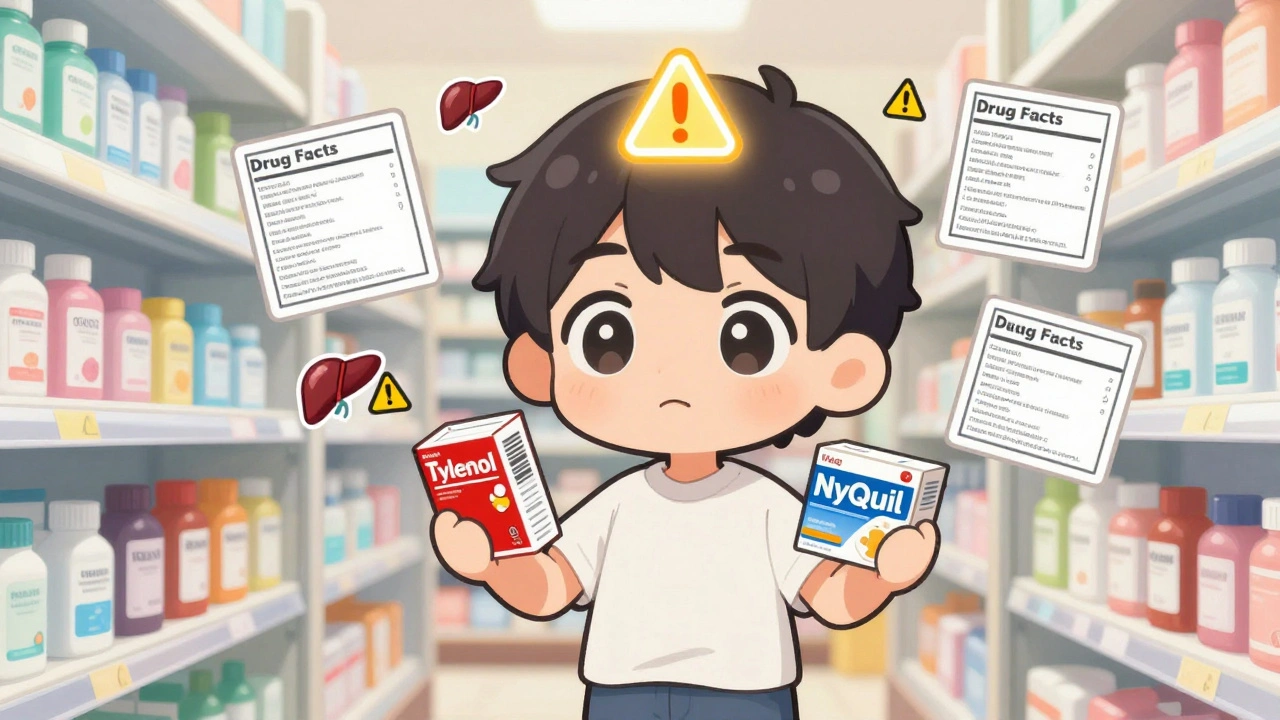
The liver, the organ responsible for breaking down drugs and toxins in the body handles acetaminophen safely at normal doses. But when you take more than 4,000 milligrams in a day—sometimes even less if you drink alcohol or have liver disease—it gets overwhelmed. The result? Toxic byproducts build up, killing liver cells. Every year, acetaminophen overdose is the top cause of acute liver failure in the U.S., and many cases happen because people don’t realize they’re doubling up. A cold medicine with acetaminophen? Add a painkiller with acetaminophen? You’ve just crossed the line. And it’s not just pills—some cough syrups, sleep aids, and even prescription opioids like oxycodone or hydrocodone contain it too.
drug interactions, how one medication affects the way another works in your body are another hidden danger. Alcohol, certain antibiotics, and even some seizure meds can change how your body processes acetaminophen, making toxicity more likely—even at normal doses. And here’s the kicker: you won’t feel sick right away. Symptoms like nausea or tiredness show up hours later, by which time liver damage may already be underway. That’s why the FDA requires warning labels on all products containing it, and why pharmacists are trained to ask if you’re taking other meds before filling a prescription.
What you’ll find in these posts isn’t just a list of facts—it’s a practical guide to using acetaminophen without risking your health. You’ll learn how to read labels correctly, spot hidden sources of it in your medicine cabinet, understand what doses are safe for kids and seniors, and recognize the early signs of trouble before it’s too late. We also cover how it compares to other pain relievers, why some people are more at risk, and what to do if you accidentally take too much. No fluff. No marketing. Just what you need to know to use this common drug safely.