Methadone QTc Calculator
This tool calculates corrected QT interval (QTc) using Bazett's formula. It helps clinicians and patients assess cardiac risk during methadone treatment based on current guidelines.
When someone starts methadone for opioid dependence, the focus is often on reducing cravings, preventing withdrawal, and rebuilding life. But there’s a quiet, dangerous side effect that doesn’t get enough attention: methadone and QT prolongation. This isn’t theoretical. It’s real. And it can kill without warning.
Why Methadone Can Slow Your Heart’s Electrical Signal
Methadone works by binding to opioid receptors in the brain, but it doesn’t stop there. It also blocks a specific potassium channel in heart cells called hERG (KCNH2). This channel helps the heart reset after each beat. When it’s blocked, the heart takes longer to recharge between beats. That delay shows up on an ECG as a longer QT interval. The QT interval measures how long it takes the heart’s ventricles to depolarize and repolarize. A normal QTc (corrected for heart rate) is under 430 ms for men and under 450 ms for women. Once it crosses 450 ms in men or 470 ms in women, the risk of a dangerous rhythm called Torsades de Pointes starts climbing. At 500 ms or higher, the chance of sudden cardiac death increases fourfold. This isn’t just about high doses. Even people on 60-100 mg/day can develop prolongation, especially if they have other risk factors. The problem? Many patients and providers assume methadone is safe because it’s been used for decades. But the cardiac risk was under-recognized until the FDA issued a black box warning in 2006 - and even now, it’s often ignored.Who’s at Highest Risk?
Not everyone on methadone will have QT prolongation. But certain people are far more vulnerable. The biggest red flags:- Women - They’re 2.5 times more likely than men to develop dangerous QT prolongation.
- Age 65+ - Older hearts are less able to compensate for electrical changes.
- Low potassium or magnesium - Levels below 3.5 mmol/L for potassium or 1.5 mg/dL for magnesium dramatically increase risk.
- Heart disease - Especially heart failure with ejection fraction under 40%, or prior heart attack.
- Slow heart rate - Bradycardia under 50 bpm gives the heart more time to develop abnormal rhythms.
- Other QT-prolonging drugs - Antidepressants like amitriptyline, antipsychotics like haloperidol, and antibiotics like moxifloxacin can stack on methadone’s effect.
- Drug interactions - Medications that block CYP3A4 (like fluconazole, fluvoxamine, or some HIV drugs) can spike methadone blood levels by up to 50%.
When and How to Monitor With ECG
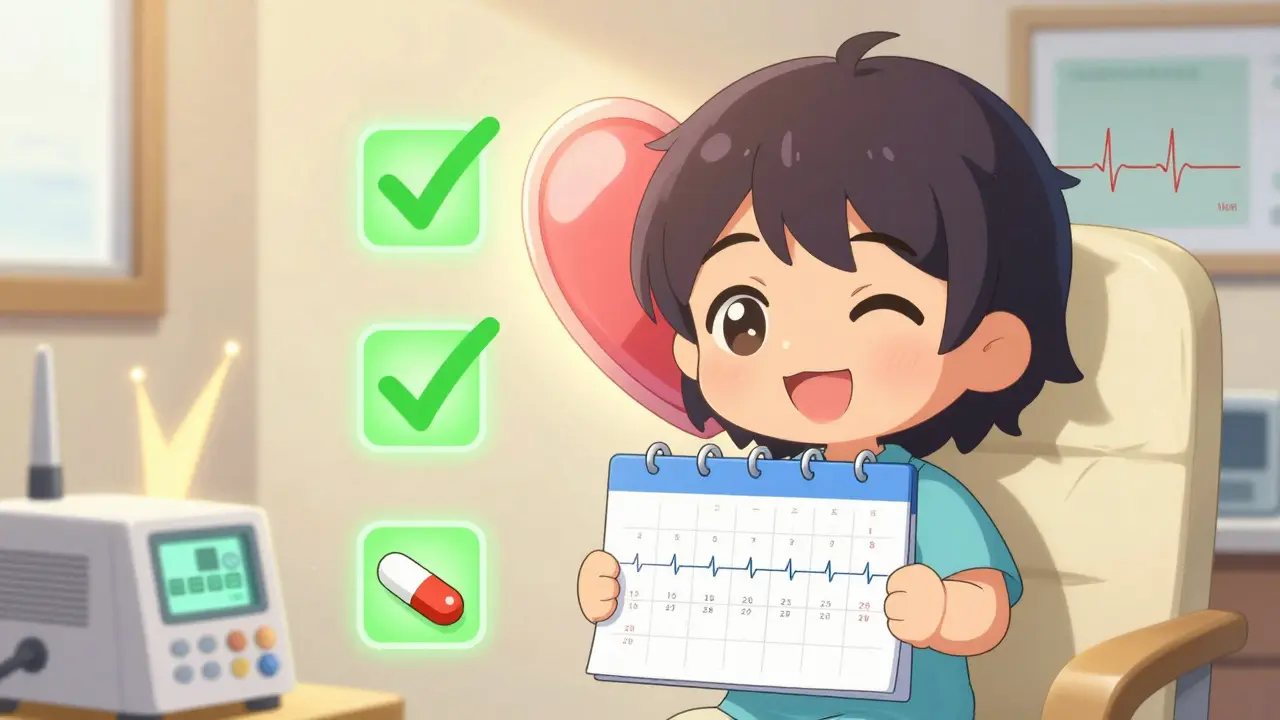
The good news? This risk is preventable - if you monitor properly. Baseline ECG is mandatory. Before starting methadone, get a 12-lead ECG. Don’t wait. Don’t assume the patient is “fine.” Even if they’re young and healthy, methadone’s effect can be delayed. The first ECG should be done before the first dose. Repeat at steady state. Methadone builds up slowly. It takes 5-7 days to reach half its final concentration, and 2-4 weeks to fully stabilize. Test again at that point. A single ECG at day 1 tells you nothing. Monitor based on risk. There’s no one-size-fits-all schedule:- Low risk: QTc under 450 ms (men) or 470 ms (women), no other risk factors → every 6 months.
- Moderate risk: QTc 450-480 ms (men) or 470-500 ms (women), or one or two risk factors → every 3 months.
- High risk: QTc over 480 ms (men) or 500 ms (women), or three or more risk factors → monthly ECGs, and seriously consider switching to buprenorphine.
What to Do When QTc Gets Too Long
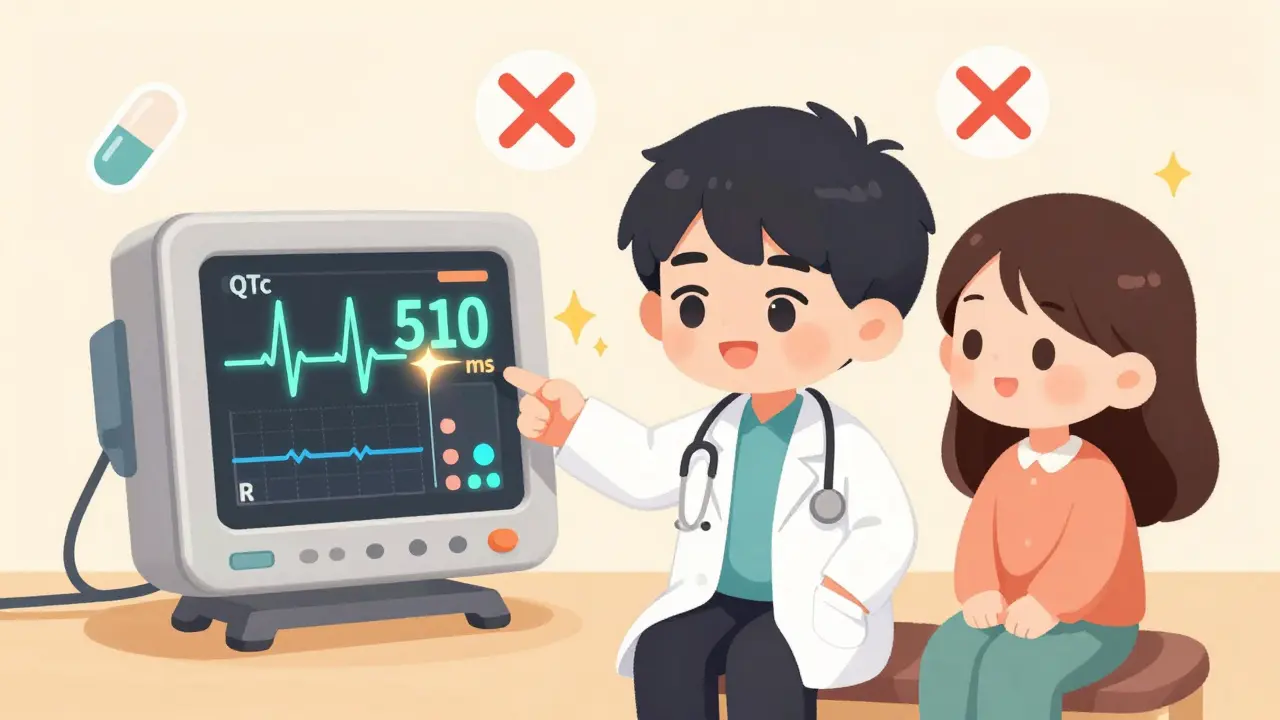
If the ECG shows QTc over 480 ms in men or 500 ms in women, don’t panic - but don’t ignore it either. Here’s what to do:- Check electrolytes. Order potassium and magnesium. If potassium is below 4 mmol/L, give oral or IV replacement. Magnesium below 1.5 mg/dL? Give IV magnesium sulfate - it’s fast, safe, and often stabilizes the rhythm.
- Review all medications. Stop any non-essential QT-prolonging drugs. If they’re on an SSRI like fluvoxamine or an antifungal like fluconazole, consider alternatives. Fluoxetine or sertraline are safer choices.
- Lower the methadone dose. Even a 10-20% reduction can bring QTc down. Don’t be afraid to step back. Better to be slightly underdosed than dead.
- Consider buprenorphine. It’s just as effective for opioid dependence but has minimal effect on the QT interval. Many patients who can’t tolerate methadone due to cardiac risk do great on buprenorphine.
- Screen for sleep apnea. About half of methadone patients have undiagnosed sleep apnea. That causes nighttime oxygen drops, which stress the heart and worsen arrhythmia risk. A simple sleep study can change everything.
The Evidence Says Monitoring Saves Lives
A 2023 study in JAMA Internal Medicine followed methadone clinics that implemented structured ECG monitoring versus those that didn’t. The results were stark: clinics with regular ECGs saw a 67% drop in serious cardiac events. That’s not a small benefit. That’s life-saving. Yet, many clinics still don’t do it. A Reddit survey of 142 people in recovery found that 68% had inconsistent ECG monitoring - some got one at the start and never again. Others had monthly tests. The difference? Patients who got regular monitoring were 82% confident in their treatment’s safety. Those without monitoring? Only 47% felt safe. This isn’t about bureaucracy. It’s about respect. If you’re asking someone to take a drug that can stop their heart, you owe them the basic protection of an ECG.