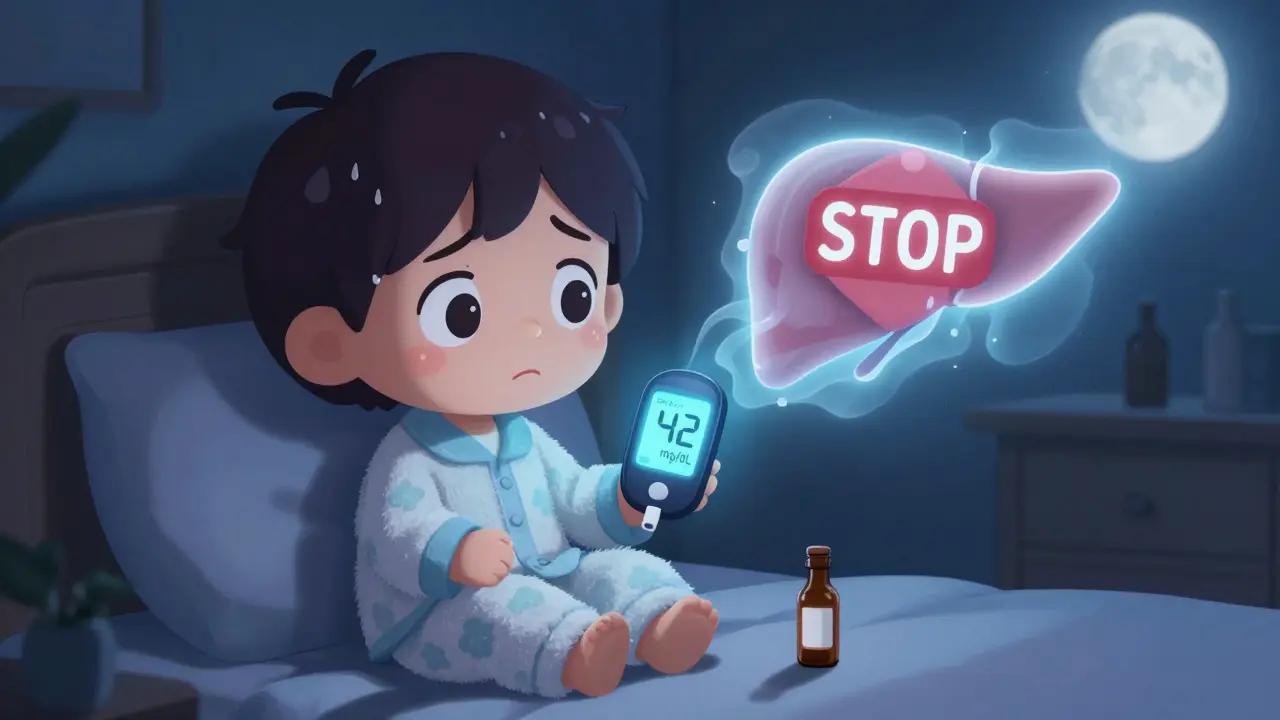
Drinking alcohol with diabetes medications isn’t just a bad idea-it can be life-threatening. If you’re on insulin, sulfonylureas, or even metformin, alcohol doesn’t just add empty calories. It can crash your blood sugar so hard and fast that you pass out before you even realize what’s happening. And the worst part? You might not feel the warning signs because alcohol masks them.
How Alcohol Turns Your Liver Into a Silent Saboteur
Your liver is your body’s glucose factory. When your blood sugar drops, it steps in and releases stored sugar to keep you stable. But alcohol shuts that factory down. Ethanol metabolism floods your liver with NADH, a chemical that blocks the enzymes needed to make new glucose. Research shows this can cut your liver’s glucose production by up to 37% for up to 8 hours after just one drink. This isn’t just a theory. In a 2021 study published in Diabetes Care, people who drank alcohol while fasting saw their blood sugar drop by 15-20 mg/dL within just two to three hours. That’s enough to push someone from a normal 120 mg/dL down to 100-or worse, below 70 mg/dL, the official hypoglycemia threshold. And it gets worse. Alcohol doesn’t just stop your liver from making sugar-it also blunts your body’s natural safety nets. Your adrenal glands normally release epinephrine (adrenaline) to trigger hunger, shaking, and sweating when blood sugar drops. But a 2021 study in Diabetes, Obesity and Metabolism found alcohol reduces that response by 42%. So you might not feel shaky, sweaty, or hungry-even when your blood sugar is dangerously low.Which Diabetes Medications Are Most Dangerous with Alcohol?
Not all diabetes drugs react the same way with alcohol. Some are far riskier than others. Insulin and sulfonylureas (like glipizide and glyburide) are the biggest culprits. These medications force your pancreas to pump out more insulin, lowering blood sugar. Alcohol adds fuel to that fire. A 2020 meta-analysis in Diabetes Therapy found that combining sulfonylureas with alcohol increases hypoglycemia risk by 2.3 times. And because insulin’s effects can last for hours-even overnight-the danger doesn’t end when you stop drinking. Mount Sinai’s 2023 guidelines warn that hypoglycemia from alcohol and insulin can last up to 24 hours. Metformin is different. It doesn’t directly cause low blood sugar, but mixing it with alcohol raises your risk of lactic acidosis-a rare but deadly buildup of acid in the blood. The FDA issued a boxed warning for metformin in 2007, and a 2022 JAMA Internal Medicine study found alcohol increases lactic acidosis risk by 5.7 times. Symptoms include nausea, rapid heartbeat (over 100 bpm), muscle pain, and confusion. Many people mistake these for being drunk, delaying emergency care. Chlorpropamide, an older sulfonylurea, is especially dangerous. It can trigger a disulfiram-like reaction with alcohol-flushing, vomiting, pounding heart-even with just one drink. The Endocrine Society specifically warns against it.What Counts as a ‘Safe’ Drink?
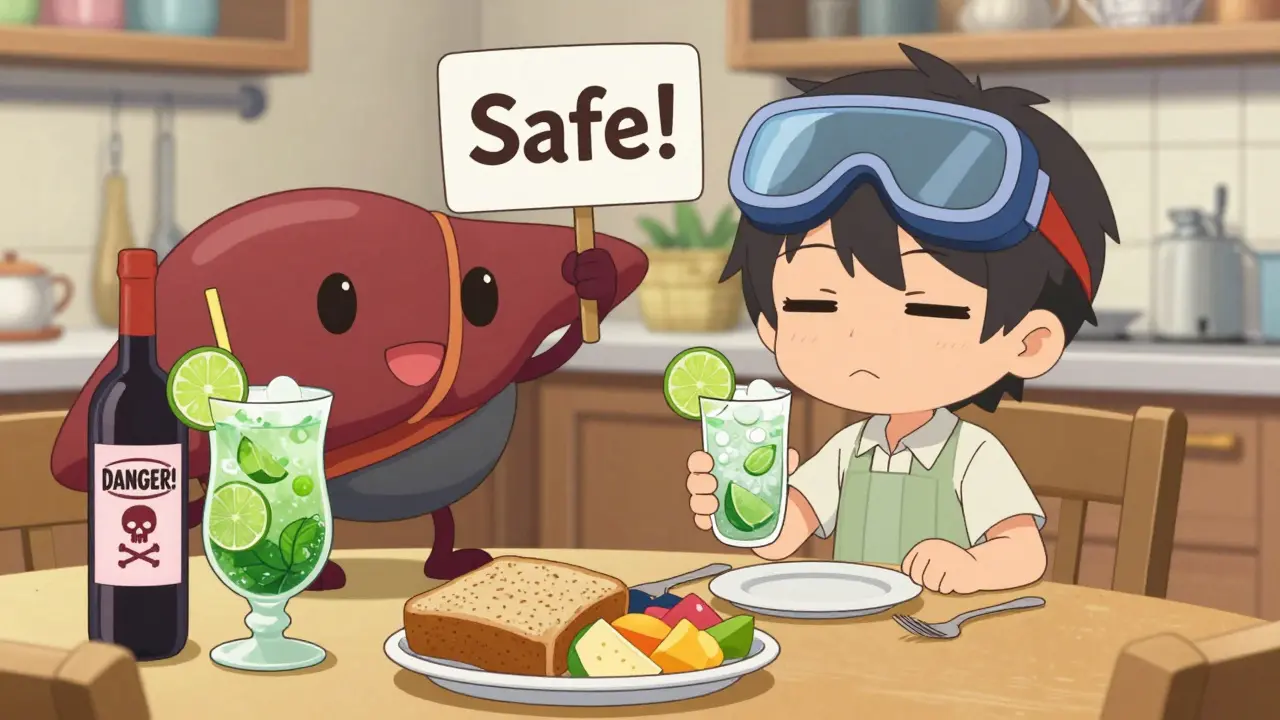
The American Diabetes Association doesn’t say “never drink.” It says: be smart. Their 2023 guidelines allow one drink per day for women, two for men. But what you drink matters more than how much.- A mojito can have 24 grams of sugar-more than a soda. That spike-and-crash cycle makes blood sugar control nearly impossible.
- A glass of sweet wine (like port or Riesling) packs 8-14 grams of sugar per 5 oz serving.
- A vodka soda with lime? Zero sugar. Much safer.
- Light beer (under 5g carbs per 12 oz) is better than regular beer or malt liquor.
- Dry wines (like Pinot Noir or Sauvignon Blanc) have under 1 gram of sugar per serving.
When You Drink, Follow These 5 Rules
If you choose to drink, follow these steps. They’re not optional. They’re survival tactics.- Never drink on an empty stomach. Always eat food with carbs-like whole grains, beans, or fruit-before and while drinking. A glass of wine with a salad isn’t enough. You need carbs to buffer the sugar drop.
- Check your blood sugar before, during, and after. The ADA recommends testing before you start, 2 hours after, and right before bed. If your reading is below 100 mg/dL before sleep, eat 15-30 grams of fast-acting carbs (like 4 oz of orange juice) plus a small protein-carb snack (like peanut butter on whole wheat).
- Avoid sugary cocktails. Stick to spirits with soda water or diet tonic. Skip the syrups, juices, and sodas.
- Wear medical ID. If you pass out, paramedics need to know you have diabetes. Kaiser Permanente data shows wearing ID cuts emergency response time by 47%.
- Tell someone. Make sure a friend or family member knows you have diabetes and what to do if you act confused or unresponsive. Too many people end up in the ER because their friends thought they were just drunk.
Why People Keep Getting Hurt
You’d think after years of warnings, people would get it. But they don’t. A 2023 survey by the American Association of Diabetes Educators found 61% of endocrinologists say patients underestimate how long alcohol affects blood sugar. Many think, “I had one beer-I’m fine.” But the effects linger. A 2024 Reddit thread from r/diabetes featured dozens of posts from people who passed out hours after drinking, waking up in the ER with blood sugar as low as 42 mg/dL. One user wrote: “My friends carried me to the couch. I woke up with an IV in my arm. They thought I was wasted. I was dying.” Another problem? People assume “low-carb” alcohol is safe. That’s a myth. Even sugar-free vodka and soda can still trigger hypoglycemia because the liver’s glucose production is blocked. Alcohol isn’t about sugar-it’s about liver shutdown.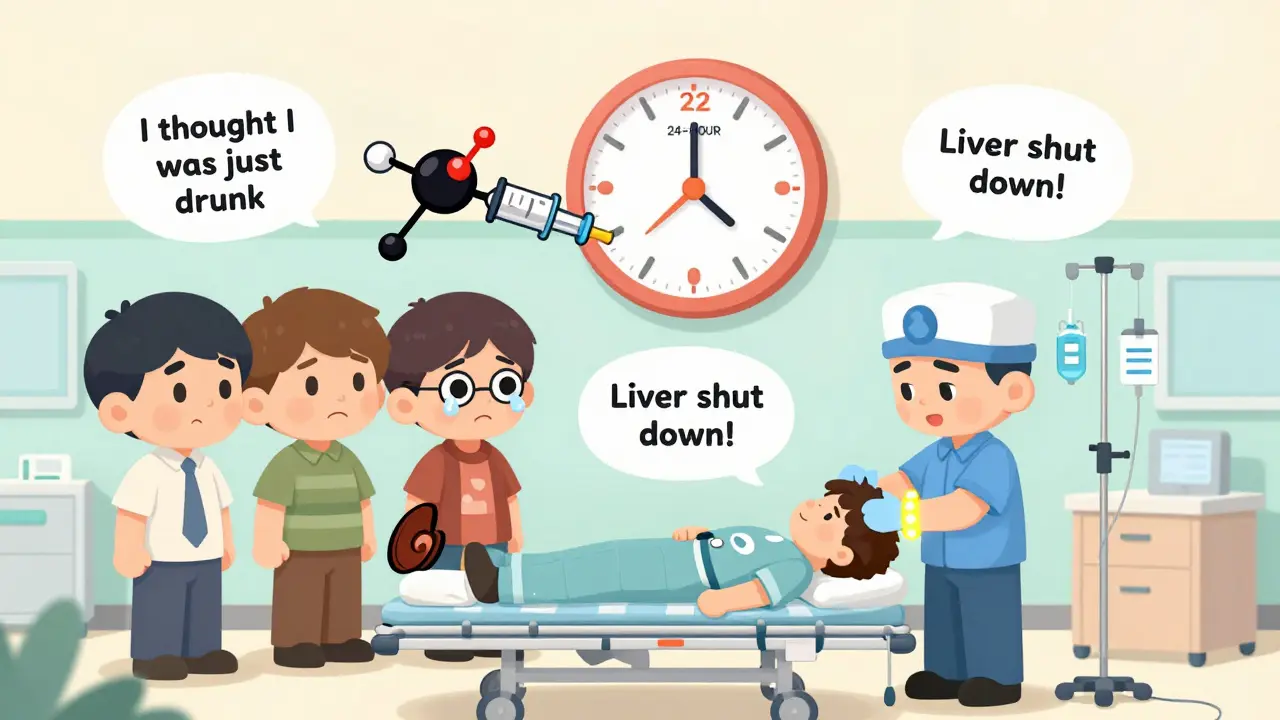
What’s New in 2025
Technology is starting to catch up. Dexcom’s G7 continuous glucose monitor, released in late 2023, now lets users log alcohol consumption. The app then predicts hypoglycemia risk over the next 24 hours and sends alerts if levels drop too low. A 2024 pilot study in Diabetes Care found that drinking alcohol within 4 hours after dinner reduced nighttime lows by 31%. Timing matters. Eating dinner first, then drinking, gives your body a buffer of glucose. Researchers are also exploring genetic differences. Some people have a variant of the CYP2E1 enzyme that breaks down alcohol slower, making them more vulnerable to hypoglycemia. In the next few years, personalized risk scores based on genetics and medication type may become standard.Bottom Line: It’s Not About Abstinence. It’s About Awareness.
You don’t have to quit alcohol forever. But if you have diabetes and take medication, you need to treat alcohol like a controlled substance. It’s not a party drink-it’s a medical risk. The data is clear: 38% of adults with diabetes drink regularly. And 73% of them have had at least one alcohol-related low blood sugar episode. That’s not normal. That’s preventable. If you’re on insulin or sulfonylureas, your safest bet is to skip it. If you choose to drink, do it with food, check your blood sugar like clockwork, and never go to bed without knowing your number. Your life depends on it.Can I drink alcohol if I have type 2 diabetes and take metformin?
Yes, but with extreme caution. Metformin itself doesn’t cause low blood sugar, but mixing it with alcohol increases your risk of lactic acidosis-a rare but dangerous condition. The FDA warns this risk jumps 5.7 times with alcohol use. Symptoms include nausea, muscle pain, rapid heartbeat, and confusion. If you drink, limit it to one drink occasionally, always eat food first, and avoid binge drinking. Never drink if you’re sick, dehydrated, or have liver problems.
Why does alcohol cause low blood sugar hours after drinking?
Alcohol stops your liver from making new glucose for up to 24 hours. Normally, your liver releases stored sugar to keep your blood sugar stable between meals or while sleeping. Alcohol blocks that process. If you’re on insulin or sulfonylureas, your body is already lowering blood sugar. So when the liver can’t respond, your sugar drops-often while you’re asleep. That’s why lows happen at 3 a.m., long after the last drink.
Is red wine safer than beer for people with diabetes?
Dry red wine is generally safer than beer or sweet wines. A 5 oz serving of dry red wine has less than 1 gram of sugar, while a 12 oz beer can have 10-15 grams. Sweet wines like Moscato or dessert wines have 8-14 grams of sugar per serving-similar to soda. Beer also contains carbs that spike blood sugar, followed by a crash. For the safest option, choose dry wine, light beer, or spirits with soda water and no sugar.
Can I drink alcohol if I use an insulin pump?
Yes, but you need to be extra careful. Insulin pumps deliver steady background insulin, which continues working even after you stop drinking. Alcohol suppresses your liver’s ability to release glucose, so your body has no backup. Many pump users report severe nighttime lows after drinking-even if they didn’t eat carbs. Always check your blood sugar before bed and set a low glucose alarm. Some pumps now let you temporarily reduce basal rates after drinking, but never skip monitoring.
What should I do if I feel dizzy or confused after drinking?
Don’t assume you’re just drunk. Test your blood sugar immediately. If it’s below 70 mg/dL, treat it like any low: consume 15 grams of fast-acting sugar (glucose tablets, juice, or candy). Wait 15 minutes and test again. If you can’t test or you’re too confused to treat yourself, call for help. Tell someone you have diabetes and may be having a low. If you pass out, someone must give you glucagon. Never wait to see if you’ll “wake up.”
Are there any diabetes medications that are safe with alcohol?
Medications like GLP-1 agonists (semaglutide, liraglutide), SGLT2 inhibitors (empagliflozin, dapagliflozin), and DPP-4 inhibitors (sitagliptin) carry little to no hypoglycemia risk on their own. Alcohol can still affect your liver and blood sugar, but the interaction isn’t as dangerous as with insulin or sulfonylureas. Still, moderation and food are required. No diabetes medication is completely “safe” with alcohol-just less risky.

Just had a vodka soda after dinner and checked my BG-102. Still alive. But I’m not risking it again. That liver shutdown thing? Real. I passed out once and woke up to my roommate screaming at EMTs. Not fun.
lol so you’re telling me my 3 beers on Friday night are basically a suicide pact with my pancreas? 🤡
Also, metformin + alcohol = lactic acidosis? Cool. So I’m basically just one margarita away from becoming a medical textbook footnote.
I just want to say-thank you for writing this. So many people don’t get it. I’m on insulin, and I used to think, ‘Oh, I’ll just have one glass of wine.’ Then I’d wake up at 3 a.m. drenched in sweat, heart racing, and no idea why.
Now I check before bed, eat a peanut butter cracker, and set an alarm. It’s not glamorous, but it’s how I stay alive.
And yes-I wear my medical ID. Always. Even to the gym.
For anyone thinking ‘I’m low-carb so I’m fine’-no. You’re not.
Alcohol doesn’t care if your drink has sugar. It cares that your liver is on strike. Even a plain vodka soda can drop your BG 40 points because your liver can’t make glucose.
And if you’re on sulfonylureas? You’re playing Russian roulette with your brain. One drink, 8 hours of no backup glucose, and you’re a statistic.
Don’t be that guy who wakes up in the ER with a 42. You’re not ‘tough.’ You’re just lucky.
Check your numbers. Eat carbs. Tell someone. It’s not hard. It’s survival.
Oh wow, another ‘diabetes is a death sentence if you drink’ article.
So… don’t drink? How original.
Everyone knows alcohol messes with blood sugar. You think people are stupid? No. We just like living. And sometimes, living means having a drink.
Stop scaring people. Just give them the facts and let them decide. Not everyone wants to be a diabetic monk.
bro i drink whiskey every friday n my bg is fine 😎
u just need to be zen 🙏
also i use a smartwatch so i know when i’m low
also i eat chips before 😅
i used to drink wine all the time then i passed out at a birthday party
my friend thought i was drunk so she left me on the couch
when i woke up i was in the hospital with an iv
now i only have one glass with food and check my sugar before bed
its not fun but i like being alive
also i tell everyone i have diabetes now
its weird but it helps
Thank you for sharing this. I’ve been on metformin for 5 years, and I never realized how dangerous alcohol could be-even if I don’t feel low. I always assumed if I didn’t feel shaky, I was fine.
Now I always eat something with protein and carbs before drinking, and I set alarms to check my glucose at midnight. I’ve never felt more in control.
Also-I wear my medical ID now. Even when I’m just walking the dog.
It’s not about fear. It’s about peace of mind.