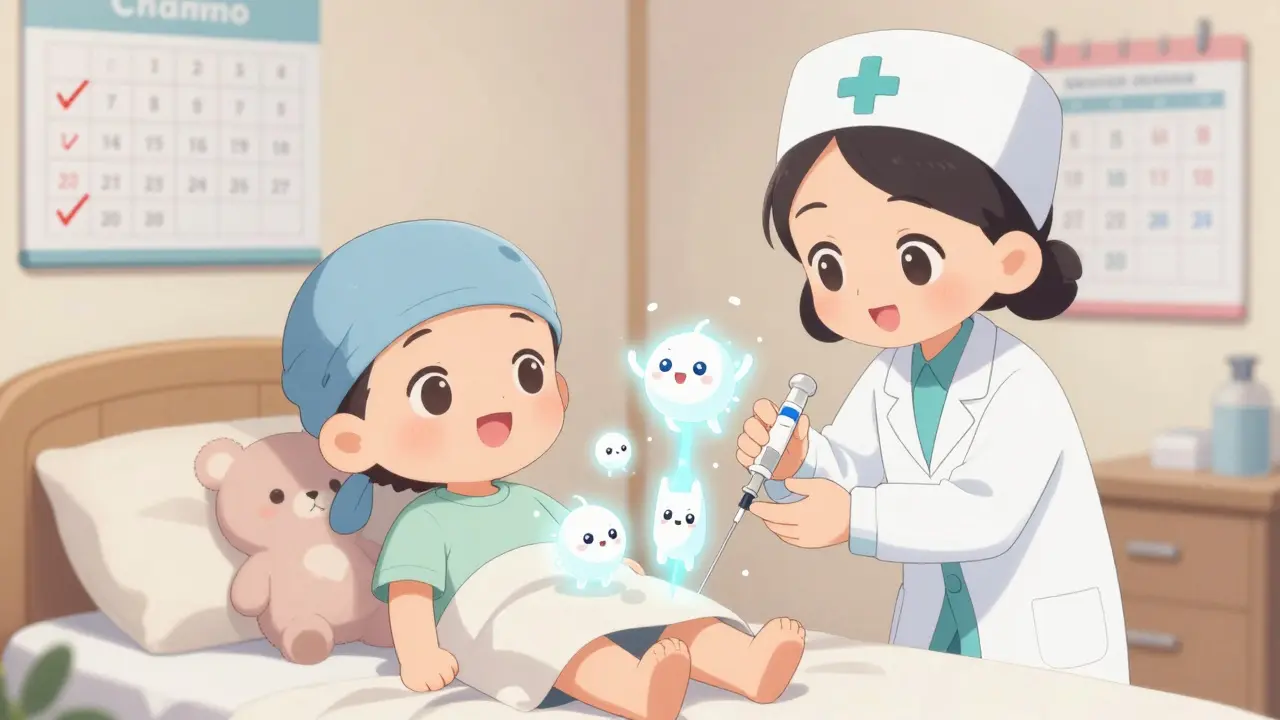
When someone is undergoing cancer treatment, the focus often turns to the drugs meant to kill the cancer. But what no one talks about enough is how hard the side effects can be - and how much they can ruin a person’s life if left unmanaged. That’s where supportive care comes in. It’s not optional. It’s not a bonus. It’s the backbone of real cancer care. Three things make the biggest difference: growth factors, antiemetics, and pain relief. Get these right, and patients can finish treatment. Get them wrong, and treatment gets delayed, stopped, or even becomes more dangerous.
Growth Factors: Keeping Your Blood Cells Alive
Chemotherapy doesn’t just attack cancer cells. It wipes out your bone marrow, too. That means your white blood cells - the ones that fight infection - drop to dangerous levels. This is called neutropenia. And when your white count gets too low, even a mild cold can turn into sepsis. That’s why growth factors like filgrastim and pegfilgrastim exist.
These drugs are injections that tell your body to make more white blood cells. They don’t cure cancer. But they let you keep getting your chemo on time. Without them, many patients miss doses because their counts are too low. Studies show that using growth factors can cut the risk of febrile neutropenia - fever from low white cells - from nearly 17% down to 9%. That’s a 46% drop. For someone with breast cancer on dose-dense AC-T, that means completing all six cycles instead of stopping after three.
But they’re not magic. Pegfilgrastim is given once per chemo cycle - usually 6 mg under the skin, 24 to 72 hours after chemo ends. Give it too early, and there’s a risk it could protect cancer cells. Give it too late, and you’ve already gotten sick. Patients often complain about bone pain. About 1 in 3 feel it. It’s not fun, but it’s better than the hospital.
Cost is a real issue. The brand-name version costs $6,000 to $7,000 per dose. But biosimilars now cost $3,500 to $4,500. Many patients still can’t afford them. A 2022 survey found 42% of community clinics underuse these drugs because of cost. That’s not just a financial problem - it’s a survival problem.
Antiemetics: Stopping Nausea Before It Starts
Chemotherapy-induced nausea and vomiting (CINV) is one of the most feared side effects. Not because it’s deadly - but because it’s relentless. Some patients say the fear of vomiting is worse than the cancer itself. The good news? We now have tools that stop it in 70% to 85% of cases - if they’re used correctly.
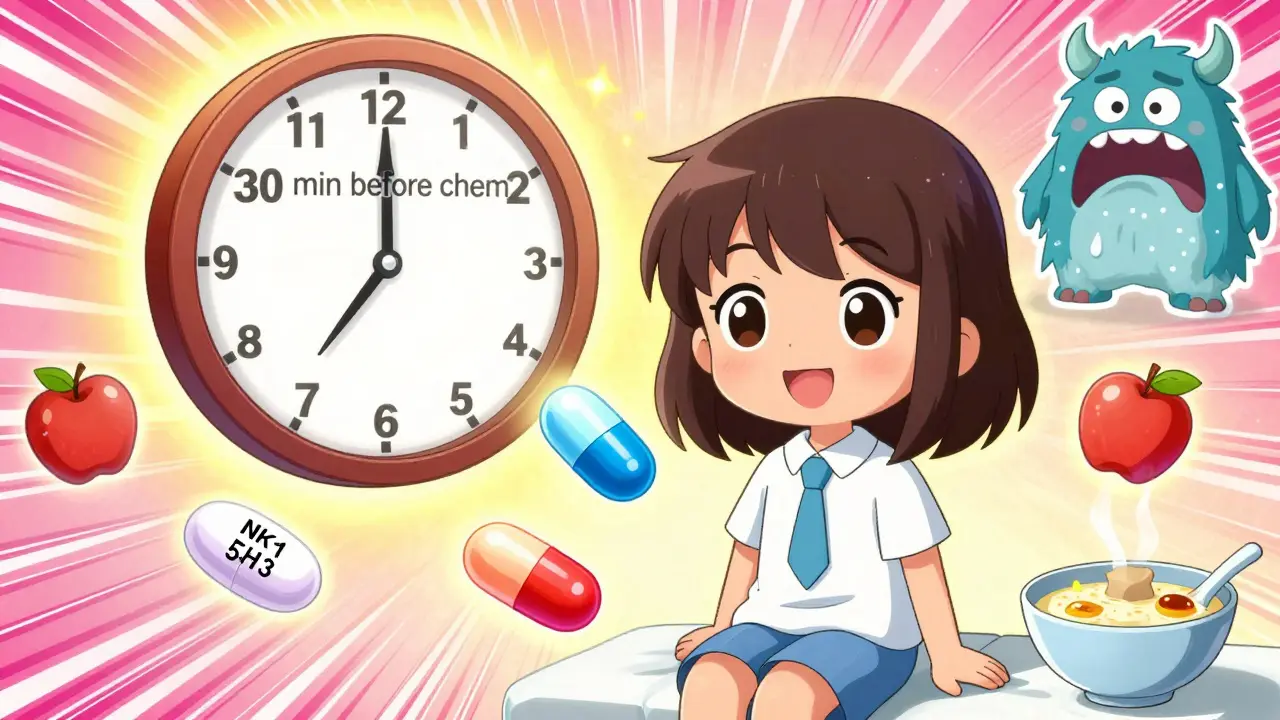
The NCCN guidelines break chemo into four risk levels: high, moderate, low, and minimal. For high-risk drugs like cisplatin, you need a three-drug combo: a 5-HT3 blocker (like palonosetron), an NK1 blocker (like aprepitant), and dexamethasone. Give them in the right order, at the right time - 30 minutes before chemo for the 5-HT3 drug, an hour before for the NK1 drug - and you get an 80% chance of zero vomiting.
But here’s the problem: most clinics don’t do this. A 2022 ASCO report found only 58% of U.S. oncology practices follow these guidelines. Why? It’s not always about money. Sometimes it’s forgetfulness. Sometimes it’s outdated protocols. Sometimes it’s assuming patients will just tough it out. That’s not care. That’s neglect.
Patients on Reddit and CancerCare forums give these regimens 4.2 out of 5 stars. One woman said her cisplatin treatment went from "horrifying" to "manageable" after starting the three-drug combo. But 22% still had breakthrough nausea. That’s why some now get a fourth drug - olanzapine - which helps with delayed nausea that lasts for days.
Costs vary. A single cycle of aprepitant runs $150 to $300. Newer combo pills like netupitant/palonosetron (NEPA) work better but cost 30% to 50% more. Insurance often covers them, but prior authorizations can delay treatment by days. And if you’re paying out of pocket? It’s a nightmare.
Pain Relief: The Most Overlooked Need
Most people think cancer pain is just from the tumor. It’s not. It’s from nerves damaged by chemo. It’s from surgery scars. It’s from bone metastases. It’s from inflammation. And it’s often not controlled.
The WHO’s three-step ladder still guides us: start with acetaminophen or NSAIDs, move to weak opioids like codeine, then strong opioids like morphine or oxycodone. But modern pain care doesn’t stop there. You need to know if the pain is nociceptive (sharp, localized) or neuropathic (burning, tingling). For neuropathic pain, gabapentin or pregabalin can help - but they only work for about half of patients and take weeks to build up.
Opioids work for 70% to 90% of moderate to severe cancer pain. But they come with a price: 90% of users get constipation. Half feel drowsy. A small number - 1% to 5% - risk breathing problems. That’s why rotation matters. If one opioid stops working or causes too many side effects, you switch to another. About 20% to 30% of patients need to rotate at least once.
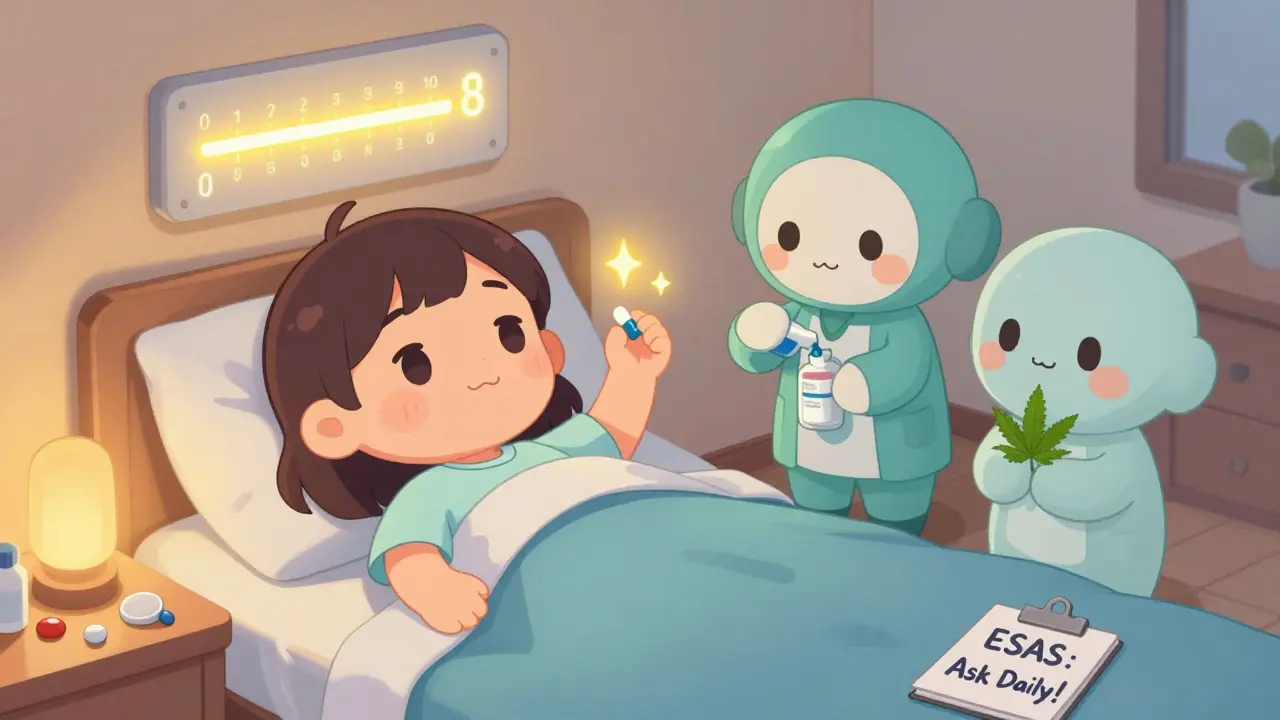
Patients report mixed results. On HealthUnlocked, 65% say their pain was controlled at first. But 40% say breakthrough pain wasn’t handled well. That’s because pain isn’t checked often enough. The NCCN recommends using the Edmonton Symptom Assessment System (ESAS) at every visit. That means asking: On a scale of 0 to 10, how’s your pain today? If it’s above 3, you need to act. Too many clinics skip this.
Costs here are tricky. Generic opioids cost $10 to $50 a month. But when you add in laxatives, nerve pain meds, patches, and injections? Monthly costs can hit $500. And insurance doesn’t always cover everything. A 2023 Patient Advocate Foundation survey found 38% of patients struggled to afford their pain meds. That’s not just expensive - it’s cruel.
What’s Changing Now?
The field is moving fast. Five biosimilar growth factors are now FDA-approved, cutting costs by 20% to 35%. In 2023, the NCCN updated its guidelines to recommend growth factors for more patients - even those with intermediate risk if they have other health problems. For antiemetics, a new drug called fosnetupitant was approved - it’s given as an IV infusion, so patients don’t have to swallow pills during chemo.
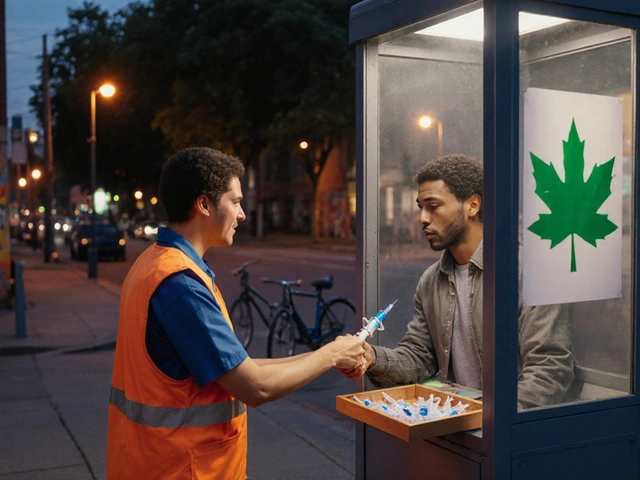
Pain management got a surprise update too. The NCCN now mentions medical cannabis as a possible option for neuropathic pain. The evidence is weak - only 25% to 30% of patients see relief - but for those who’ve tried everything else, it’s worth considering.
Future tools are coming. AI models are being tested at Memorial Sloan Kettering to predict who’s most likely to get febrile neutropenia. Next-gen antiemetics like HTS-18000 are in phase 2 trials. And a new class of painkillers targeting the Nav1.7 nerve channel showed 40% to 50% pain reduction in early studies. These aren’t sci-fi - they’re coming within five years.
Why This Matters More Than You Think
Supportive care isn’t about comfort. It’s about survival. Studies show that patients who get proper growth factors can receive 20% to 30% higher chemo doses - and those higher doses improve cure rates in curable cancers like lymphoma and breast cancer.
When antiemetics work, patients keep eating. When pain is controlled, they sleep. When they sleep and eat, their bodies heal better. They’re more likely to finish treatment. They’re more likely to live longer.
And yet, in community clinics across America, these tools are still underused. Why? Because they’re expensive. Because staff are overworked. Because the system still treats cancer like it’s only about the tumor - not the person.
But it doesn’t have to be this way. Every patient deserves to finish their treatment without being broken by side effects. Growth factors, antiemetics, and pain relief aren’t add-ons. They’re the foundation. And if we stop treating them like extras, we’ll start saving more lives.
Do growth factors really help cancer patients live longer?
Yes, in certain cases. Growth factors like pegfilgrastim don’t kill cancer, but they let patients stay on full doses of chemotherapy. Studies show that patients with curable cancers - like aggressive breast cancer or lymphoma - who receive growth factors as planned are 20% to 30% more likely to complete treatment. That directly improves survival. For example, in dose-dense AC-T regimens, patients who avoid neutropenia delays have better long-term outcomes.
Why do some patients still get nauseated even with antiemetics?
Because not all chemo is the same. High-risk drugs like cisplatin are harder to control than low-risk ones. Also, guidelines require three drugs for high-risk cases, but many clinics still use one or two. Delayed nausea - which hits 2 to 5 days after chemo - is especially tricky. Some patients need a fourth drug like olanzapine. And if antiemetics aren’t given at the right time - 30 to 60 minutes before chemo - they won’t work. Timing matters as much as the drugs.
Can I just use over-the-counter painkillers for cancer pain?
Maybe, at first. For mild pain, acetaminophen or ibuprofen can help. But if pain is moderate to severe - or if it’s nerve-related (burning, shooting, tingling) - OTC drugs won’t cut it. Cancer pain often needs opioids or nerve-targeting drugs like gabapentin. Waiting too long to treat pain makes it harder to control later. Always talk to your oncology team before assuming OTC meds are enough.
Are biosimilar growth factors as good as the brand names?
Yes. Five biosimilars for filgrastim and pegfilgrastim have been approved by the FDA since 2018. They go through the same rigorous testing as the originals. Studies show they work just as well at raising white blood cell counts and reducing infection risk. The only difference? Cost. Biosimilars are 20% to 35% cheaper. If your insurance covers them, they’re a smart choice.
Why is pain management so inconsistent in cancer care?
Because it’s complicated. Pain isn’t one thing - it’s many. It changes daily. It needs constant reevaluation. Many clinics don’t use standard tools like the ESAS survey. Doctors may fear opioid addiction, even though addiction is rare in cancer patients. And some still think pain is just part of the disease. But research shows 70% to 90% of cancer pain can be controlled - if you treat it systematically. The gap isn’t in science. It’s in practice.
What should I ask my oncologist about supportive care?
Ask these three: 1) Do I need a growth factor based on my chemo type and risk level? 2) What antiemetic combo will I get, and when should I take it? 3) How will my pain be tracked and treated - and what if it gets worse? If they can’t answer clearly, ask for a referral to a supportive care specialist. You deserve a team that treats side effects as seriously as the cancer.
Just wanted to say this post hit me right in the chest. My mom went through chemo last year, and the only reason she made it through all six cycles was because they gave her pegfilgrastim. We didn’t know how much it mattered until she got sick after cycle three and almost had to stop. That bone pain? Yeah, it sucked. But she didn’t end up in the hospital. That’s the difference between care and just hoping for the best.
And the antiemetics? We were given ondansetron and told to ‘take it if you feel queasy.’ Turns out, that’s not how it works. After we switched to the full three-drug combo, she actually ate dinner. Like, real food. Not crackers and ginger ale. That’s not a luxury - it’s survival.
THIS. THIS RIGHT HERE. 🙌 I work in a clinic and I see this every day. Patients skip their growth factors because they ‘don’t feel sick yet’ or ‘can’t afford it.’ But then they get fever, end up in ER, miss chemo, and suddenly their odds drop. It’s not rocket science - it’s basic human care. Why are we still making people choose between rent and survival?
Also, olanzapine for delayed nausea? Game changer. My aunt went from crying every night to watching Netflix. 💯
Okay but let’s be real - most of these drugs are overprescribed. I’ve seen patients on 3 antiemetics when they’re on low-risk chemo. And growth factors? They’re not for everyone. You’re acting like every single chemo patient needs a $6000 injection. That’s not medicine - that’s profit-driven waste. I’m not saying don’t help people - I’m saying don’t overmedicate them. Some folks just need to tough it out. That’s life.
Dan, your comment is dangerously misinformed. Let me clarify: the NCCN guidelines are evidence-based, not profit-driven. The 2022 ASCO report you’re ignoring shows that underuse of antiemetics leads to 4x higher hospitalization rates. Growth factors aren’t optional - they’re standard of care for intermediate-risk regimens when comorbidities exist. This isn’t about ‘overprescribing.’ It’s about equity.
Patients who can’t afford biosimilars shouldn’t be punished for systemic failure. We have the tools. We just refuse to distribute them fairly.
Let’s quantify this. The cost per life-year gained for pegfilgrastim is $142,000 according to JAMA Oncology 2021. That’s 3x the threshold for cost-effectiveness. Meanwhile, the 5-HT3/NK1 combo for antiemetics has a cost per QALY of $89,000. Olanzapine? $120,000. These are not ‘essential’ - they’re expensive band-aids on a broken system. If we spent this money on screening or prevention, we’d save more lives.
Also, opioids for cancer pain? 1% to 5% risk of respiratory depression. That’s not ‘rare.’ That’s 1 in 20. We’re normalizing addiction under the guise of ‘compassion.’
I get what Peter’s saying but… I’ve been there. My sister’s on chemo. She cried because she couldn’t afford the laxatives for her morphine. $180/month. We paid out of pocket. She didn’t even ask for help. That’s the real tragedy. Not the cost-effectiveness numbers. The silence.
People don’t die from chemo. They die from not being able to sleep, eat, or go to the bathroom. That’s the part no one talks about. We need to fix that first.
As a medical professional in India, I see a different reality. Growth factors are nearly inaccessible. Antiemetics? Only the cheapest ones are available. Pain management? Morphine is restricted due to fear of misuse. We don’t have biosimilars. We don’t have AI models. We have nurses who cry because they can’t give their patients what they need.
This post is brilliant - but it’s written for the privileged. The global south doesn’t get to choose between ‘cost-effective’ and ‘necessary.’ We choose between ‘alive’ and ‘not alive.’
Can we talk about how to make these tools accessible, not just scientifically accurate?
Everyone’s so focused on drugs. What about the nurses? The social workers? The ones who stay late to help patients fill out forms? The ones who cry in the supply closet because they can’t get a patient a $300 patch? You’re talking about science like it’s magic. But the real medicine is the person who remembers your name.
None of this matters if the system breaks the people who deliver it.
OMG I JUST CRIED READING THIS. My best friend had triple-negative breast cancer and they didn’t even offer her the full antiemetic combo until she screamed at her oncologist. Like… why is this even a debate? We have the science. We have the drugs. We just don’t care enough to make it happen.
And the pain meds? She went 3 weeks without her fentanyl patch because insurance said ‘prior auth pending.’ Three. Weeks. She couldn’t walk. Couldn’t sleep. Couldn’t hold her kid. That’s not care. That’s torture with a clipboard.
Yeah but like… isn’t this just another way to make oncologists look good? Like, ‘Look at me, I gave her the growth factor!’ But the cancer still came back. So what’s the point? I’ve seen too many people spend their last months in hospitals getting expensive injections that don’t change the outcome.
Maybe we should just stop pretending we can fix this.
Tom - I hear you. But I’ve also seen people live years longer because they finished treatment. My uncle was stage 3 lymphoma. Missed one cycle? 70% survival. Finished all six? 92%. That’s not placebo. That’s biology. Growth factors don’t cure cancer - but they give the cure a fighting chance.
And yes, some people still die. But that doesn’t mean we stop trying to give everyone the best shot. Even if it’s not perfect.
Let’s not romanticize this. The entire supportive care model is built on the illusion of control. Growth factors don’t improve survival in metastatic disease. Antiemetics don’t change quality of life in terminal cases. Opioids create dependency. We’re pouring billions into managing symptoms while ignoring palliative care integration, hospice access, and psychological support.
This isn’t progress. It’s performance.
Who even cares? The system is rigged. You think the FDA approves biosimilars because they care about patients? No. They approve them because Big Pharma wants to protect profits. The same companies that charge $7000 for pegfilgrastim now sell the biosimilar for $4500. They still make money. You’re being played. This isn’t about care. It’s about market share.
And don’t get me started on cannabis. That’s a distraction. It’s not medicine. It’s marketing.